

Pregnancy is one of the most hormonally dynamic periods in a woman’s life, and the skin can respond quite dramatically. Rising levels of oestrogen and progesterone, together with increased melanocyte stimulating hormones and changes in circulation and immune function, can alter pigmentation, oil production, sensitivity and inflammation.
Some women develop the famous pregnancy glow, while others suddenly experience acne, rosacea, eczema, dryness or much greater skin sensitivity. Melanocytes also become more active, which is why melasma and other forms of pigmentation are so common during pregnancy.
After delivery there is another major hormonal shift. Oestrogen and progesterone fall rapidly, while prolactin remains elevated during breastfeeding and can keep oestrogen levels relatively lower. For some women this means skin that suddenly feels drier, less plump or more sensitive, while acne and pigmentation can take time to settle.
It is important to remember that there is no single pregnancy or postpartum skin type. Your skincare should respond to what your skin is actually doing rather than simply becoming more complicated.
What should I be using on my skin during pregnancy?
During pregnancy I recommend concentrating on three things:
- Protecting the skin barrier
- Controlling inflammation
- Protecting against pigmentation.
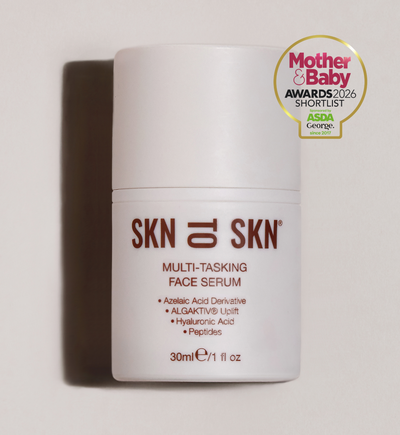
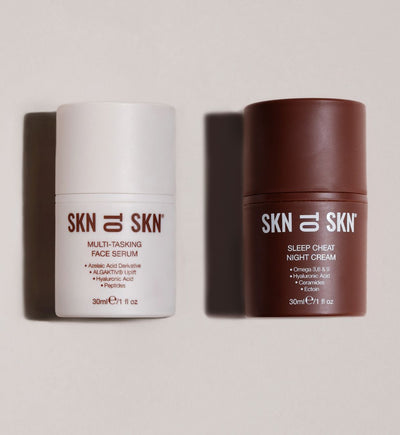
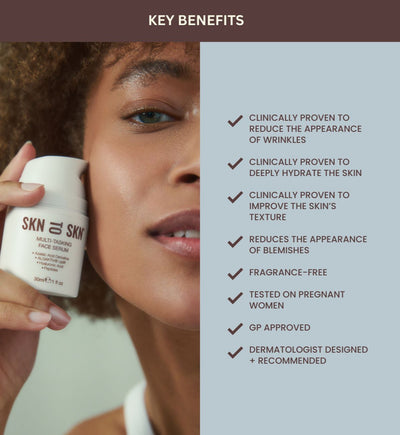
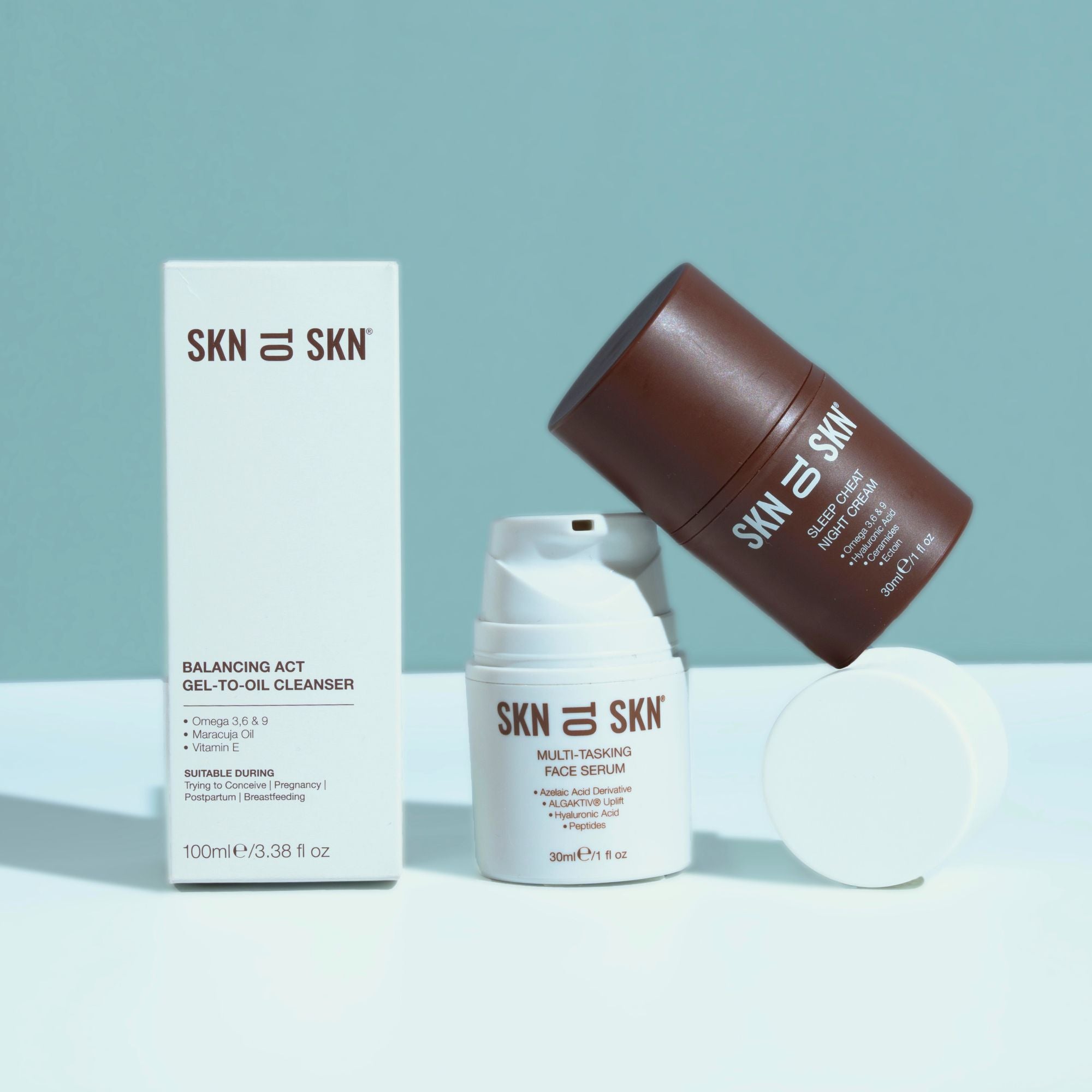
Hydrating ingredients such as hyaluronic acid, glycerin and ceramides are extremely useful, while niacinamide can support the barrier and help with redness and uneven tone. Azelaic acid is particularly useful because it can help acne, inflammation and pigmentation and is considered appropriate for use during pregnancy. Peptides and antioxidants are also excellent options for women who want to continue supporting collagen and skin quality while retinoids are temporarily removed from their routine.
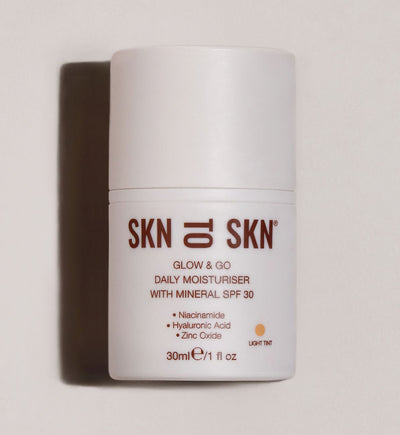
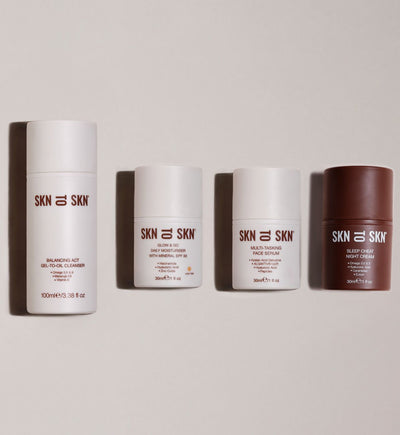
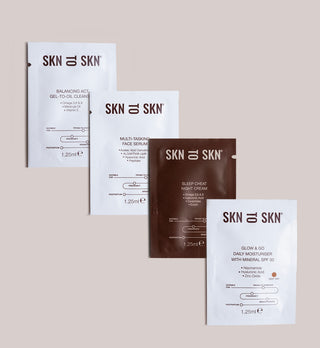
Pigmentation protection is particularly important because pregnancy primes the skin to produce more melanin. I favour a tinted mineral SPF containing zinc oxide and iron oxides, as visible light as well as ultraviolet light can contribute to melasma. Pregnancy does not mean that effective skincare has to stop. It simply means choosing the right actives for that particular stage of life. I recommend the SKN TO SKN Glow & Go Daily Moisturiser with Mineral SPF30 for this.
What should I avoid using on my skin during pregnancy and breastfeeding?
Retinoids, including tretinoin, retinol and related vitamin A derivatives, should not be used during pregnancy or when planning a pregnancy. This is a precautionary recommendation because topical absorption is possible and the retinoid class carries established reproductive concerns. Hydroquinone should also be avoided, while higher concentrations of salicylic acid should be discussed with a dermatologist rather than routinely used.
Breastfeeding is very different. The safety of an ingredient depends on its absorption, the area being treated and mainly whether the baby could come into direct contact with it. I would always be particularly cautious about anything applied directly to the breast or nipple.
 Written by Professor Caitriona Ryan, Consultant Dermatologist