Did you know that 45% of people admit they don’t apply suncream daily?
In this Expert Insights episode, Professor Caitriona Ryan shares her professional recommendations on which sunblocks are safest and most effective during pregnancy and beyond, and explains why daily SPF use is essential for protecting and maintaining healthy skin.
Why Is It Important To Apply Suncream Daily?
Applying suncream daily is essential because UV rays can damage the skin even on cloudy days or when you are indoors near windows. Daily use of SPF helps protect the skin from both UVA and UVB rays, which are responsible for premature ageing, sunburn, pigmentation, and long-term DNA damage.
Without daily sun protection, ongoing UV exposure can lead to:
- Premature wrinkles and fine lines
- Hyperpigmentation and dark spots
- Uneven skin tone and loss of elasticity
- Increased risk of long-term skin damage
During pregnancy, consistent sun protection becomes even more important. Hormonal changes can make the skin more sensitive and more prone to pigmentation concerns such as melasma (pregnancy mask) and irritation. Wearing SPF every day helps protect delicate, hormonally affected skin and maintain a healthy, even complexion.
At SKN TO SKN, we recommend using a broad-spectrum SPF daily as a key step in any pregnancy-safe skincare routine to support long-term skin health and protection.
What Is The Best Suncream To Use During Pregnancy?
Dermatologists and healthcare professionals recommend using a mineral-based (physical) suncream before, during, and after pregnancy — and even for babies and children. Pregnancy-safe mineral sunscreens sit on the surface of the skin and reflect UV rays, rather than being absorbed into the bloodstream.
Look for suncreams containing the following pregnancy-safe UV filters:
-
Zinc oxide: provides broad spectrum UVA and UVB protection
-
Iron Oxide: helps protect against visible light and pigmentation
These are currently the only two UV filters confirmed by the FDA as safe for use during pregnancy.
In contrast, studies have shown that certain ingredients in chemical sunscreens can be absorbed into the bloodstream after full-body application. While research into their long-term effects during pregnancy is still ongoing, many professionals recommend avoiding chemical formulations as a precaution.
For daily sun protection during pregnancy, choosing a broad-spectrum mineral suncream helps:
- Protect sensitive, hormonally affected skin
- Reduce the risk of melasma and pregnancy-related pigmentation
- Provide gentle, effective UV protection without harsh chemicals
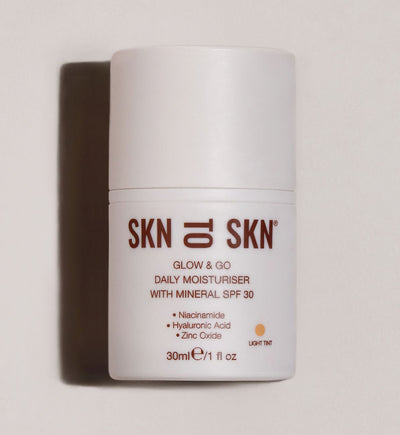
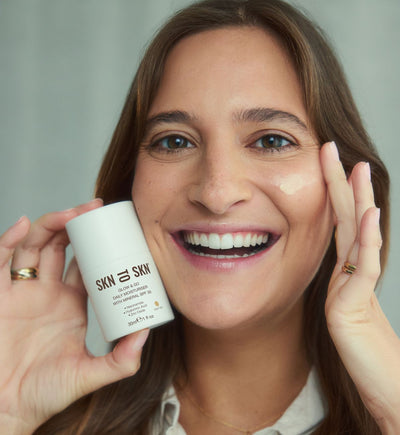
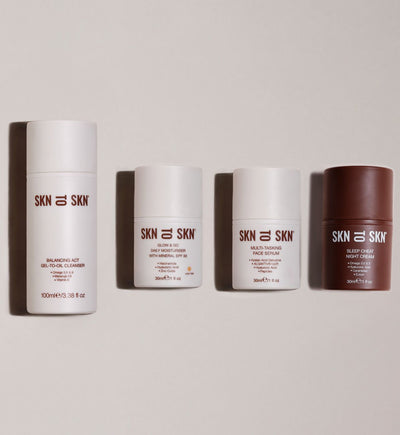
The SKN TO SKN Glow & Go Daily Moisturiser is a safe mineral SPF 30 for lasting hydration and a healthy glow. Enriched with niacinamide and hyaluronic acid to brighten, protect and prevent hyperpigmentation. Designed specifically to be used safely during pregnancy and beyond, it makes an excellent option for sun protection.

Final Thoughts...
Sun protection is one of the simplest yet most powerful steps you can take to protect your skin’s health - especially during pregnancy, when sensitivity and hormonal changes can make it more vulnerable.
Choosing a gentle, mineral-based suncream ensures effective defence against UV damage while keeping both you and your baby safe. By making SPF a non-negotiable part of your daily routine, you’re not just preventing pigmentation or premature ageing - you’re investing in long-term skin health and confidence, from pregnancy and beyond.

Written by Professor Caitriona Ryan, Consultant Dermatologist