

How do you care for your skin post-partum?
The postpartum period is a time of profound physical and emotional change. While much of the focus is on recovery, sleep deprivation, and caring for a newborn, many women are surprised by how dramatically their skin can change after birth.
As a consultant dermatologist, I often reassure women that postpartum skin changes are very common, usually temporary, and highly manageable with the right skincare approach.
Understanding why skin behaves differently after pregnancy is the first step towards caring for it with confidence and kindness.
Why does your skin change after pregnancy?
Hormonal Changes After Pregnancy
During pregnancy, levels of oestrogen and progesterone are higher than usual, increasing hydration, elasticity and circulation and often creating the well-known pregnancy glow. After delivery, hormone levels drop quickly and sharply.
This sudden hormonal shift, combined with physical recovery, sleep disruption and dehydration in breastfeeding mothers, can lead to noticeable postpartum skin changes.
Dryness and Increased Sensitivity
Many women experience increased dryness and sensitivity after pregnancy. Lower oestrogen levels reduce the skin’s ability to retain moisture, which may cause:
- Tightness and flaking
- Redness and irritation
- Increased sensitivity to skincare products

Breakouts and Postpartum Acne
Postpartum acne and congestion are also common. Hormonal fluctuations and stress can contribute to:
- New or worsening breakouts
- Clogged pores and congestion
- Inflammation and uneven skin
Pigmentation and Uneven Skin Tone
Changes in pigmentation after pregnancy may persist, especially with sun exposure. Melasma can linger, leading to:
- Dark patches or uneven tone
- Dull or tired looking skin

Slower Skin Repair
Skin renewal may slow after birth. Sleep deprivation can impair repair, leaving skin:
- Dehydrated and less resilient
- Tired in appearance
These postpartum skin changes are normal and usually improve gradually as hormone levels rebalance and the body recovers.
How to care for your skin during the postpartum phase
The key principle postpartum is support rather than stimulation. This is not the time for aggressive routines or dramatic changes.
1. Simplify your routine
Postpartum skin responds best to a pared back approach. Focus on the essentials only. A gentle non stripping cleanser, a nourishing moisturiser that supports the skin barrier, and a daily broad spectrum mineral SPF are the foundation of good postpartum skincare.
Doing less often leads to better results during this stage.
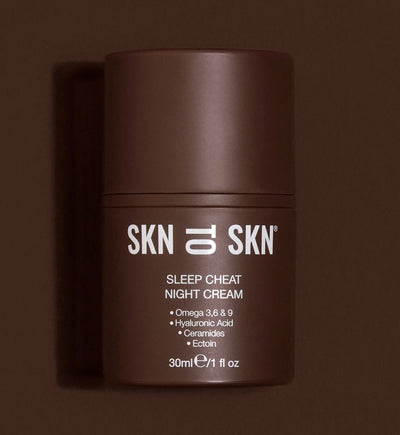
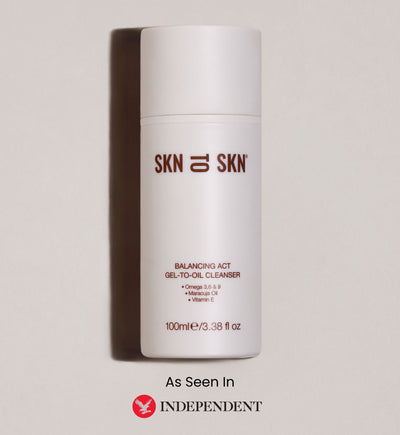
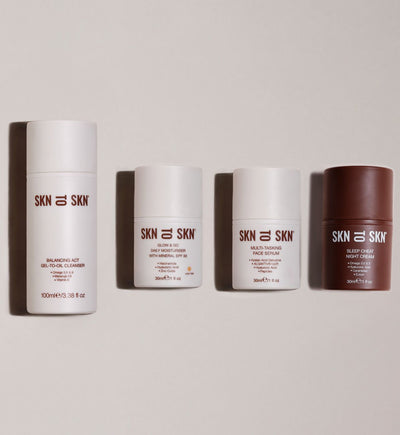
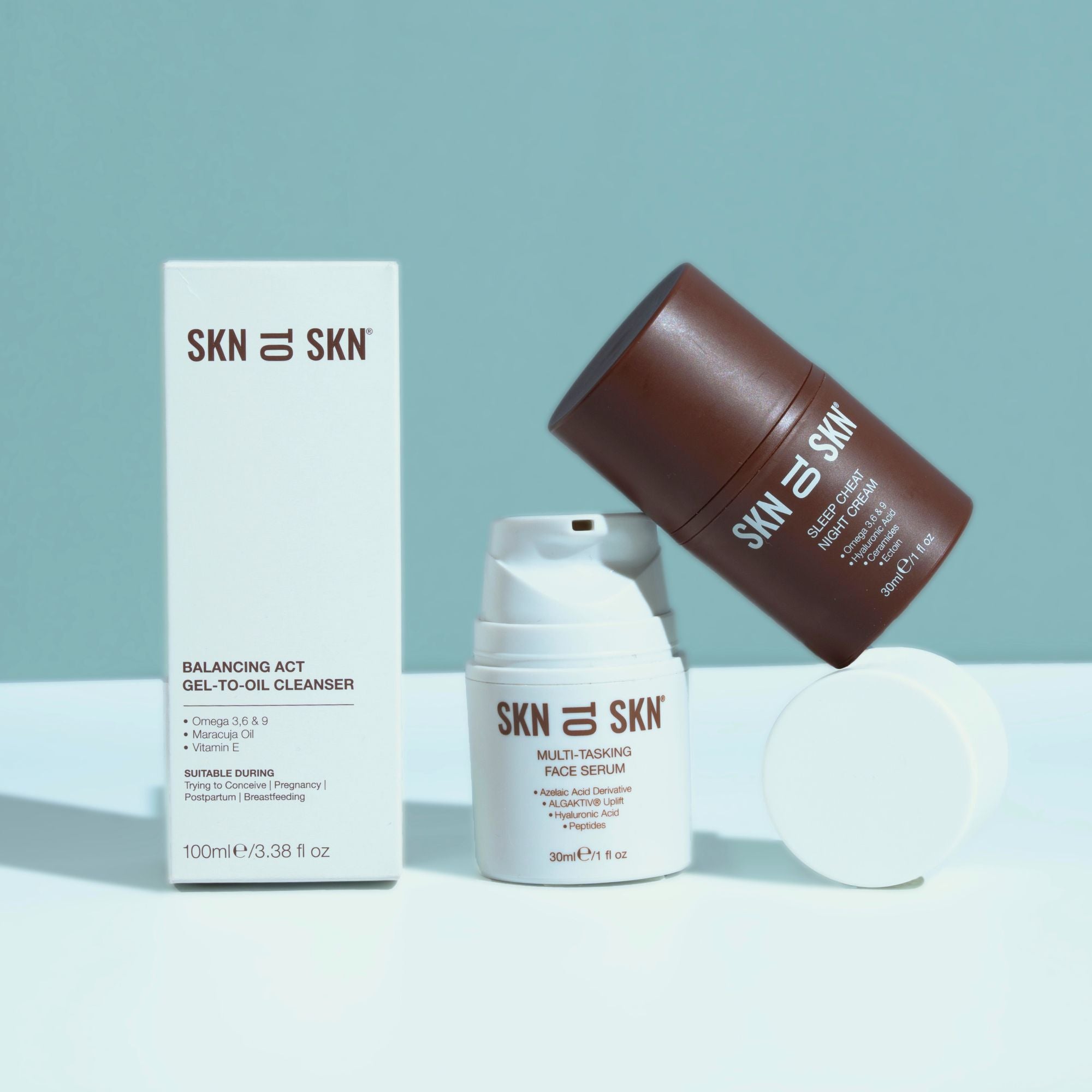
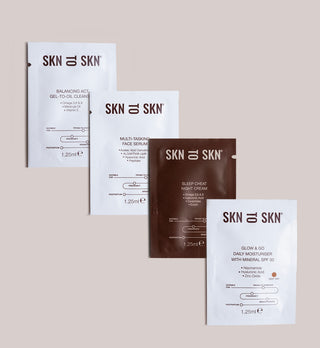
The SKN TO SKN 5-Minute Edit works perfectly for this. Featuring the Balancing Act Gel-to-oil Cleanser, Multi-tasking Face Serum, Glow & Go Daily Moisturiser with Mineral SPF30 and Sleep Cheat Night Cream for a simple 3 step routine in the morning and evening to support your hormonal skin whilst also being pregnancy-safe.
2. Prioritise barrier repair
The skin barrier is often compromised after birth, which increases sensitivity and water loss. Supporting barrier repair helps skin feel calmer, more comfortable and more resilient.
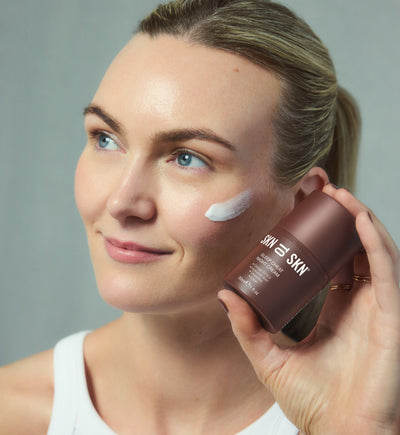
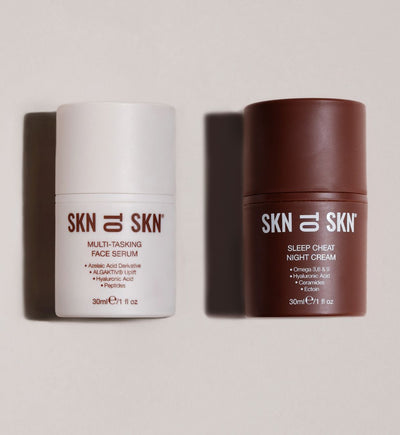
Look for ingredients such as ceramides, glycerin, hyaluronic acid, ectoin and niacinamide in low well tolerated concentrations. When the barrier is healthy, skin is better able to tolerate active ingredients later if and when you choose to reintroduce them. I recommend SKN TO SKN’s Sleep Cheat Night Cream during the postpartum period. It is designed to repair the skin’s natural barrier and has been clinically shown to increase hydration by 40% over 28 days.
3. Be cautious with active ingredients
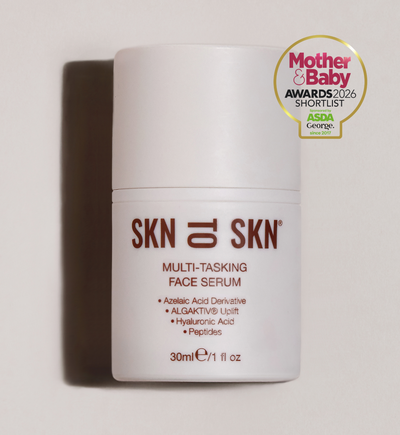
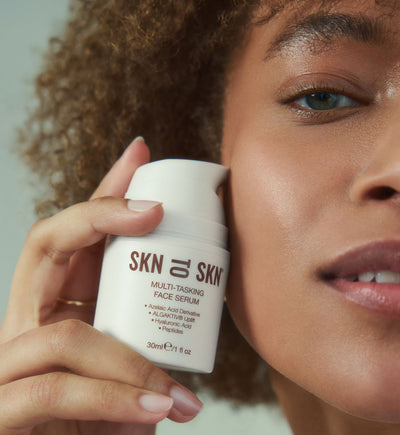
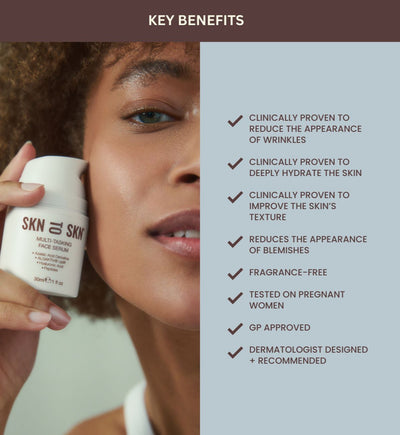
Many women are eager to return to their pre pregnancy skincare routine, particularly retinoids and acids. If you wish to address concerns such as texture, breakouts or dullness, go slowly, choose lower strengths and introduce only one new product at a time. Gentler alternatives such as peptides, azelaic acid derivatives and antioxidants can be effective without overwhelming the skin. SKN TO SKN’s Multi-tasking Face Serum is a very well-tolerated alternative to retinol which contains astaxanthin, peptides, an azelaic acid derivative and hyaluronic acid. It helps reduce fine lines, breakouts and blemishes while deeply hydrating and calming dry or irritated skin.

4. Manage breakouts gently
Postpartum acne responds best to calm, consistent care rather than harsh treatments. Over cleansing, scrubbing or aggressively drying the skin often worsens irritation and can stimulate the sebaceous glands to go into overdrive, worsening the acne process. Focus instead on lightweight non comedogenic hydration, gentle cleansing and ingredients that calm inflammation. If acne is persistent or severe, professional advice can be very helpful. Postpartum acne is very treatable with the right guidance.
5. Sun protection is essential
Hormonal pigmentation is highly sensitive to ultraviolet exposure and high-intensity visible light from indoor lights, laptops and mobile phones. Daily sun protection is one of the most effective interventions you can make for postpartum skin, particularly if melasma is present.
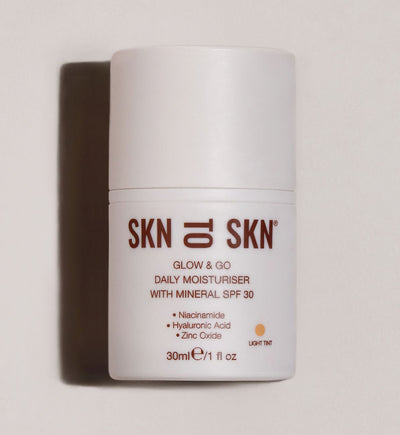
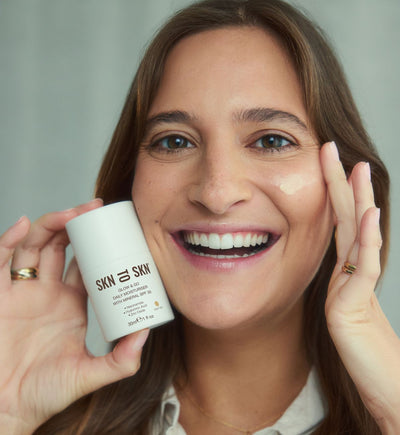
A tinted mineral SPF with iron oxides offers protection against both ultraviolet and visible light. Tinted formulations can also help even skin tone during this stage. SKN TO SKN’s Glow & Go Daily Moisturiser with Mineral SPF30 is available in light and deep tints to suit different skin tones.

Be kind to your skin and to yourself
Postpartum skin reflects what your body has just experienced. Healing, hormonal recalibration and adjustment take time. There is no correct timeline for your skin to return to how it looked before pregnancy, and for many women it may never be exactly the same.
Skincare during this period should feel supportive rather than demanding. Products should simplify your routine, not add another layer of decision making to an already full mental load. If you feel unsure, overwhelmed or troubled by ongoing skin concerns, a dermatologist can help tailor an approach that feels safe, manageable and appropriate for your stage of life.
Postpartum skin does not need perfection. It needs patience, protection and care.

Written by Professor Caitriona Ryan.